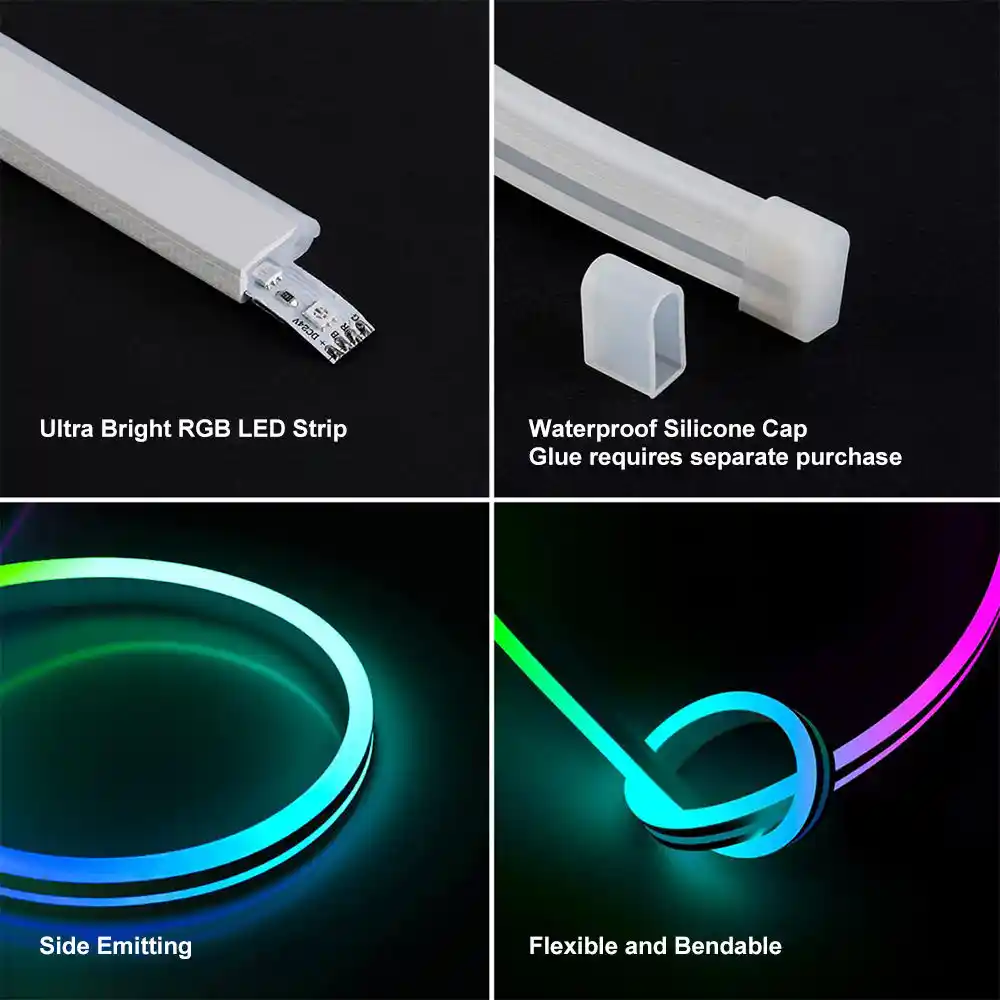
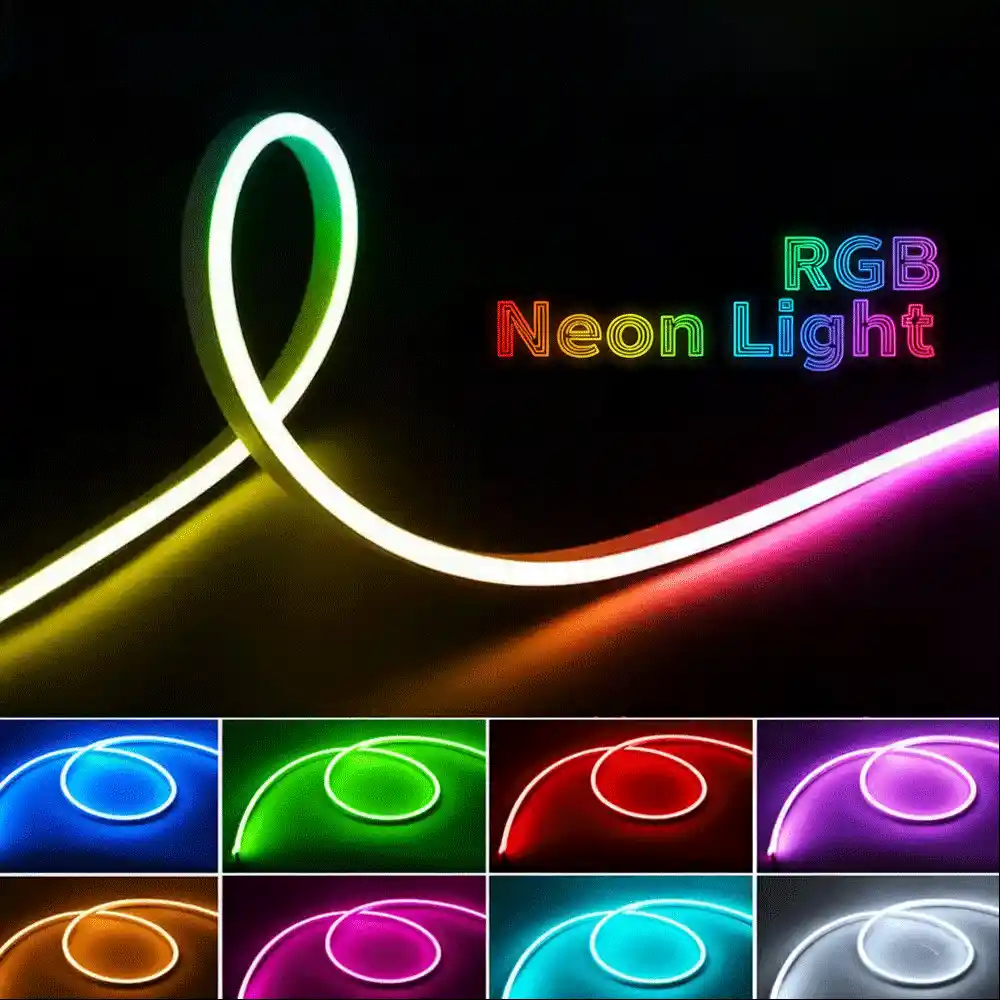
Product Overview
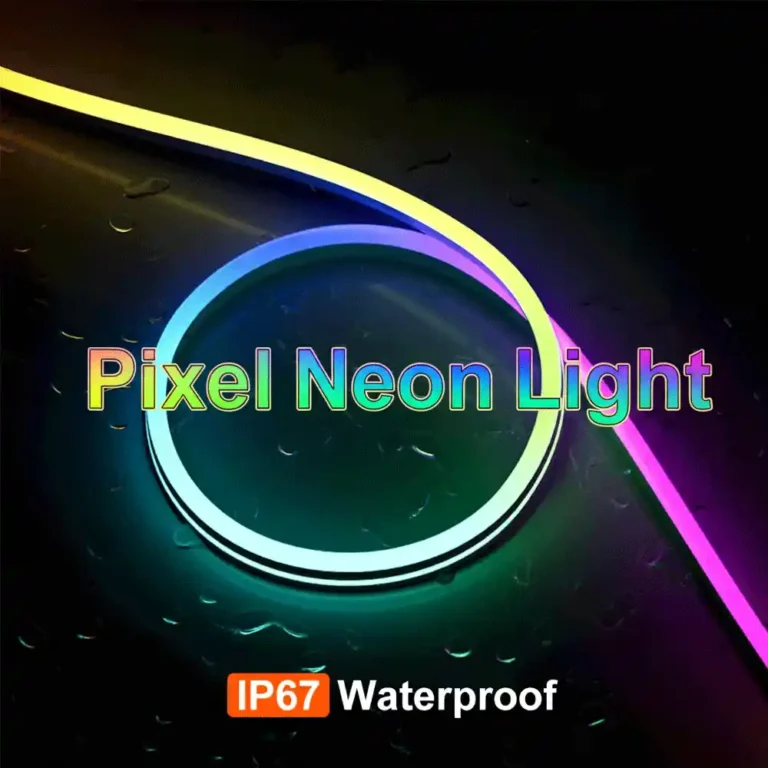
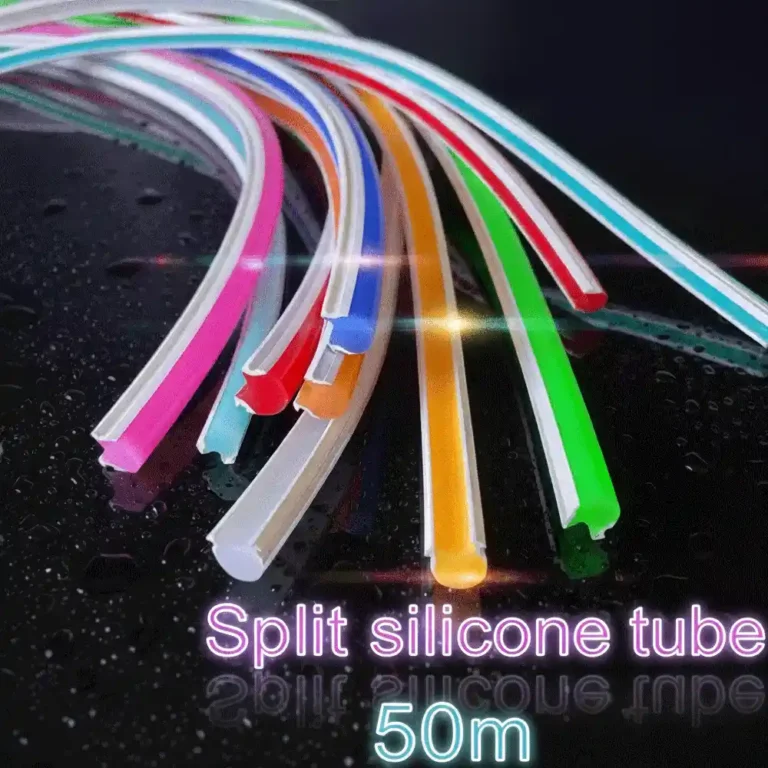
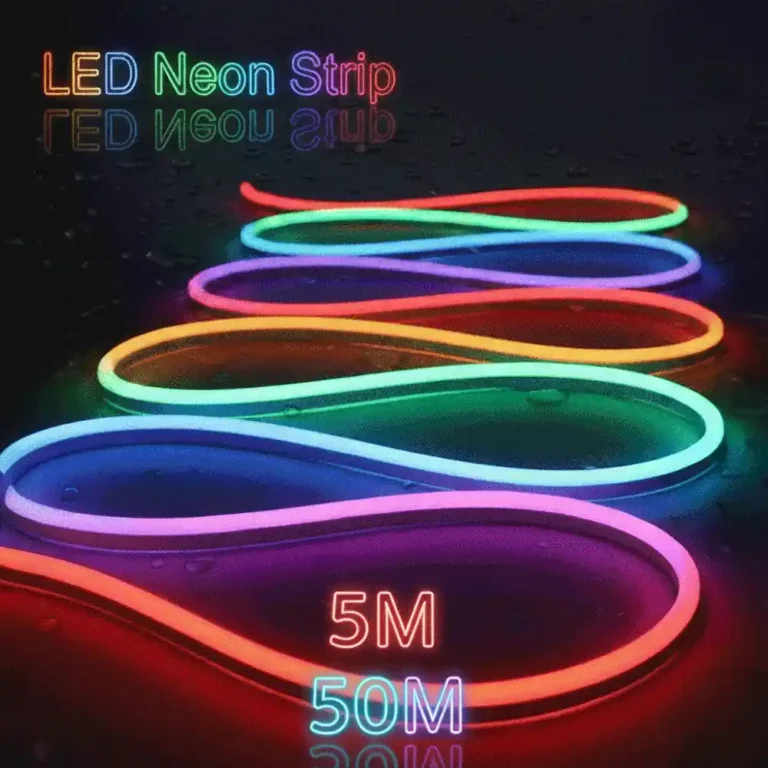
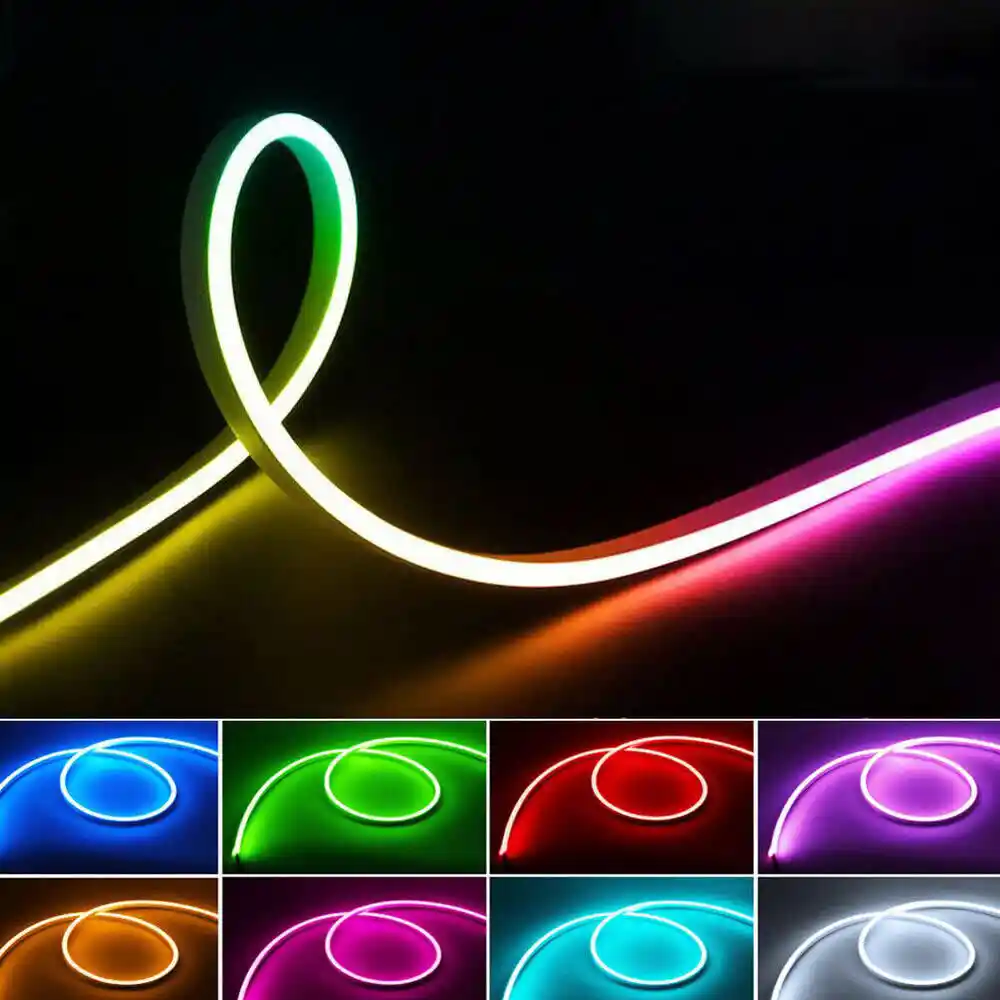
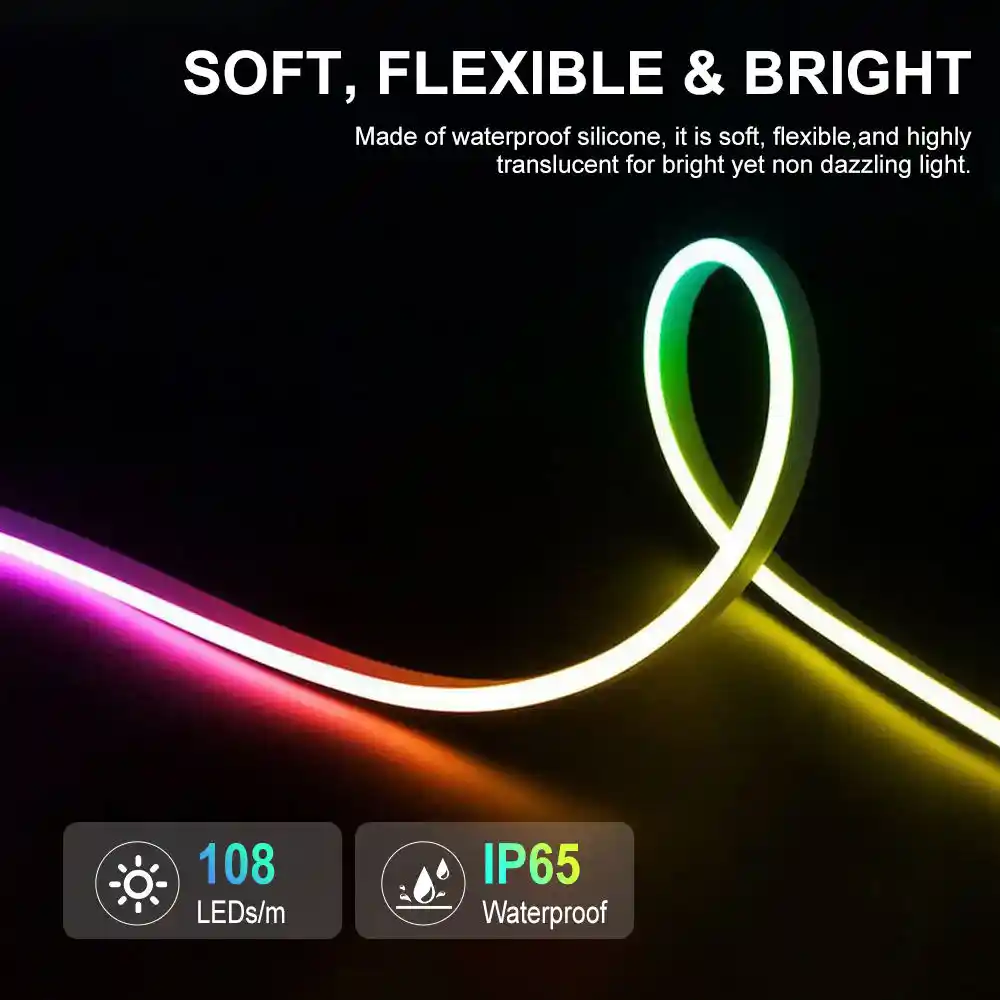
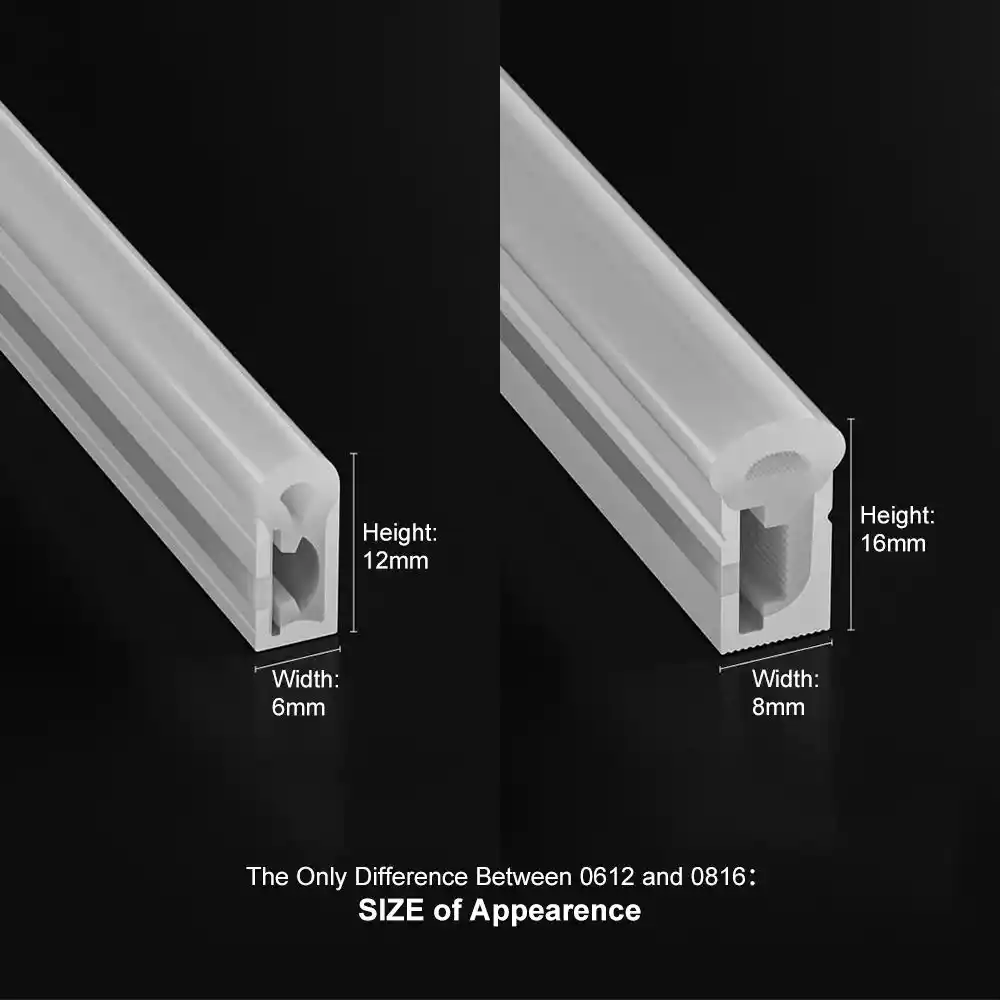
Between a fixed-colour line and a pixel one sits the job most clients are actually describing: they want to choose the colour, not animate it. That is what the ES-NEON-SIGN-02 is for — a 6 × 12 mm pure-silicone RGB section from our LED neon range, built at 12V or 24V. It is a three-channel product: red, green and blue run as three levels across the whole length, so the line holds one colour at a time and changes as one. That constraint is the reason to pick it. No data line to set out, no addressing to commission, nothing to fall out of sequence — it takes any constant-voltage common-anode RGB controller and works the day it is wired.
| Section | 6 × 12 mm, pure silicone jacket, IP67 |
| Colour | Three-channel RGB; whole run holds one colour at a time |
| Control | Any constant-voltage, common-anode RGB controller |
| Supply | 12V or 24V build — chosen on run length |
Best For — Which Projects This Fits
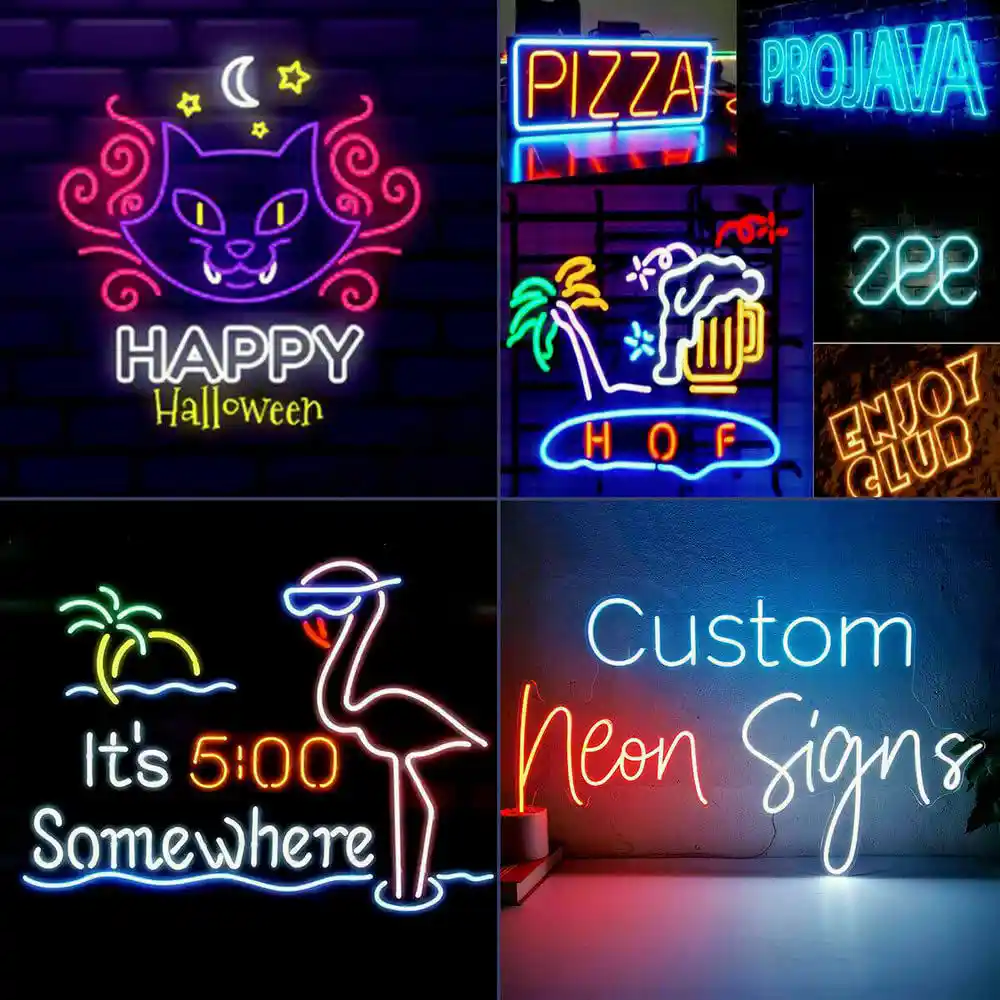
Hospitality interiors that re-colour by the hour. A bar canopy or a restaurant bulkhead where the line goes warm at dinner and saturated later, run from one wall-mounted controller. Our RGB restaurant projects show how a curved bulkhead reads once the colour comes up.
Retail that re-colours by the season. Shopfront outlines and canopy borders where one fitting serves a summer scheme and a winter one, with nothing swapped and nothing re-commissioned in between.
Exterior line-lighting, on the 24V build. The silicone jacket is UV-stable and washes down, and at 24V a given length carries half the current, so colour holds further from the feed. Take 24V wherever the run is long or the feed position is fixed by the building.
Outlines and radii. The section bends on its flat and takes a corner return without kinking; a shape that turns edge-on becomes separate lengths with joints designed in. Where a detail suits a different body, the RGB rope alternatives cover it.
Not For — When to Ask Us for a Different SKU
One warning matters more on RGB than on any white product. A long run does not merely dim towards the far end — it shifts hue. Red, green and blue do not share a forward voltage, so as volts fall along the length the three channels do not fall off together: a white or pastel mix balanced at the feed arrives visibly tinted. Saturated colours hide this; the delicate mixes a designer picks for a dining room do not. Feed at intervals, take the 24V build, or both.
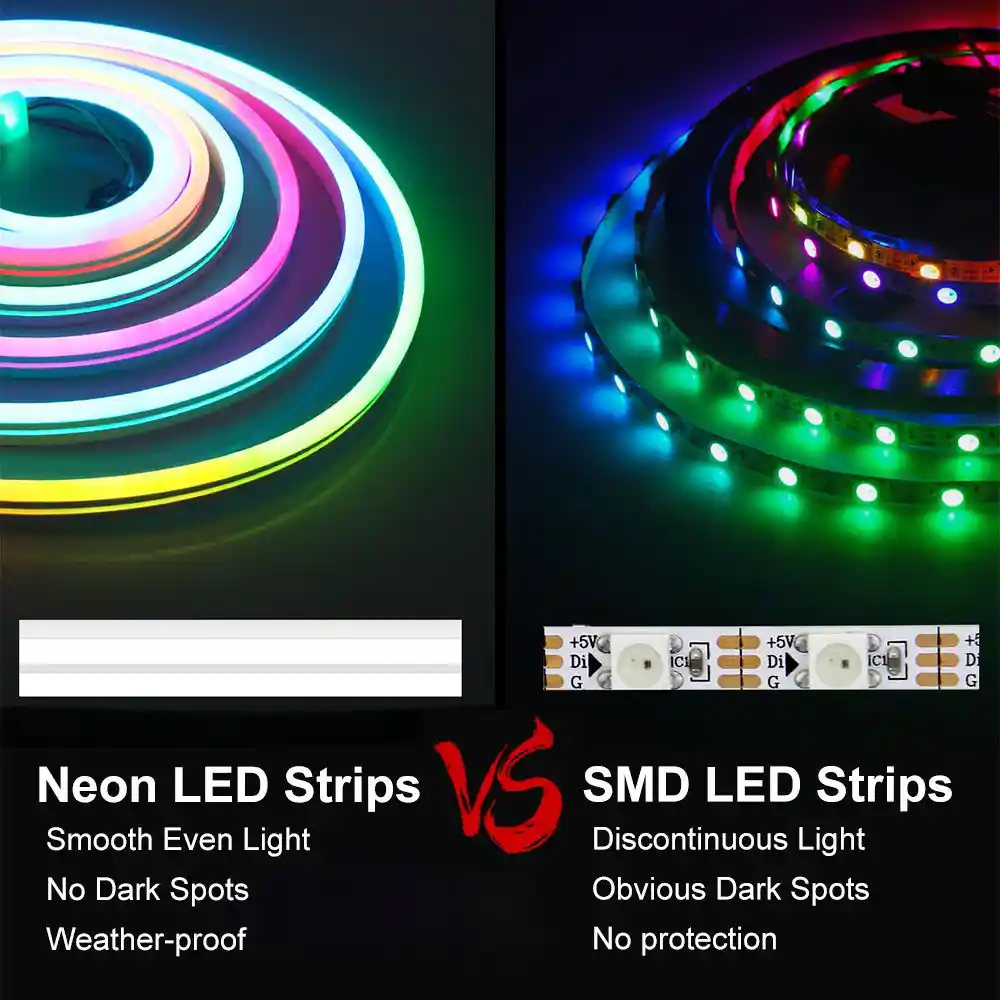
No pixel effects. Three channels are three levels, not addressed data, so chases, gradients along the line and WS-series or SPI control all belong to an addressable product.
No tunable white. With no separate white emitter, a mixed white only ever approximates one — a scheme judged on white quality wants an RGBW, RGBCW or single-colour body.
Not permanently submerged. IP67 covers temporary immersion, so fountains, pool coping below the waterline and drainage positions need a product rated for constant water contact.
Customization & Inquiry
We cut to your lengths, terminate with common-anode four-pin connectors at the ends you nominate, and match controller and driver so the run arrives ready to fix. A DMX or app layer can sit above it — tell us which protocol your integrator has standardised on.
What to send us in your enquiry:
- The longest length between feeds. On RGB that is a colour question before it is a brightness one, and it also settles 12V against 24V.
- Which colours the client actually intends to use, since pale mixes have to be fed more tightly than saturated ones.
- Bend directions at each corner of an outline or radius.
- The control expected on site, plus destination market for certification.
Request a Project Quote — we will return feed positions, driver sizing and a matched controller against your elevation.