Product Overview
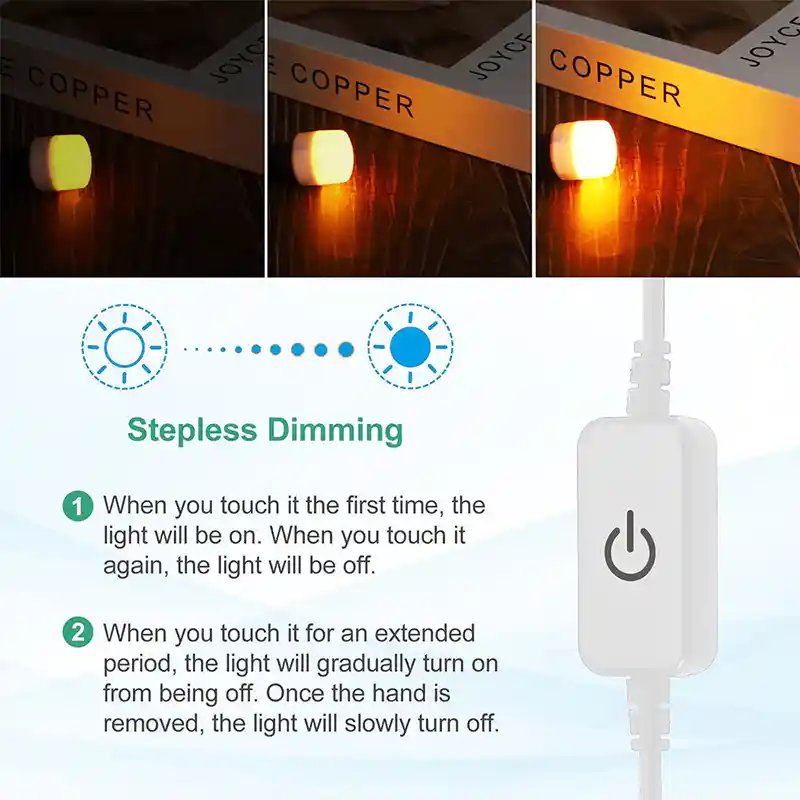
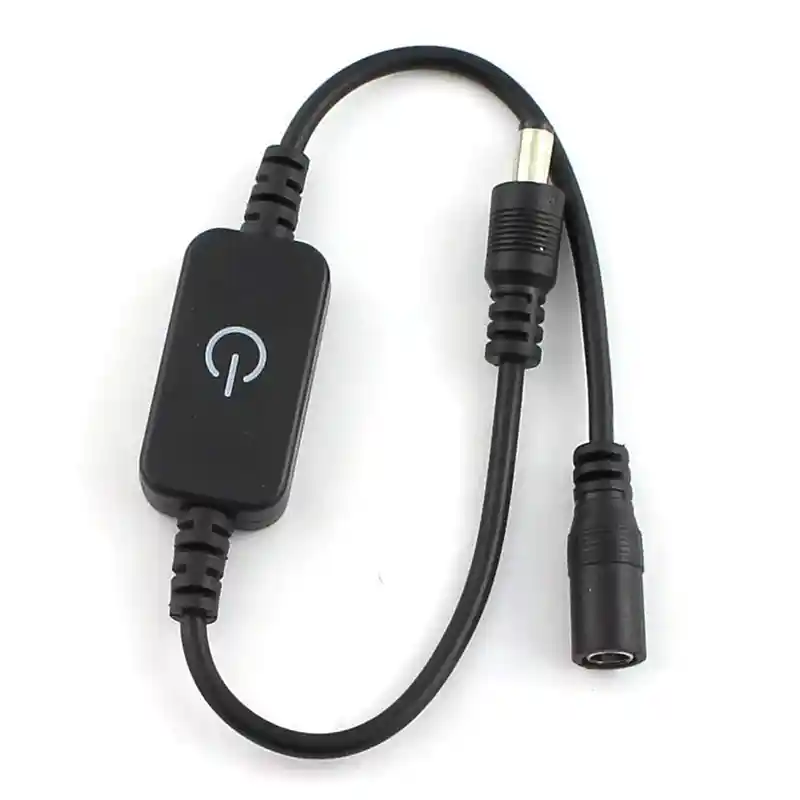
A rotary knob wears: shaft, wiper and detent all develop a crackle after a few thousand operations, and someone has to come back and replace it. The ES-LC-DIM-005 puts a capacitive touch pad there instead, on single-colour 12V and 24V LED strip, with no moving part to fail. The second argument is position. A pad is a fixed, findable control point — no handset to be put in a drawer, no unit buried in a void, and the place you touch tomorrow is the place you touched today. That is what makes it work in a guest room where nobody reads instructions.
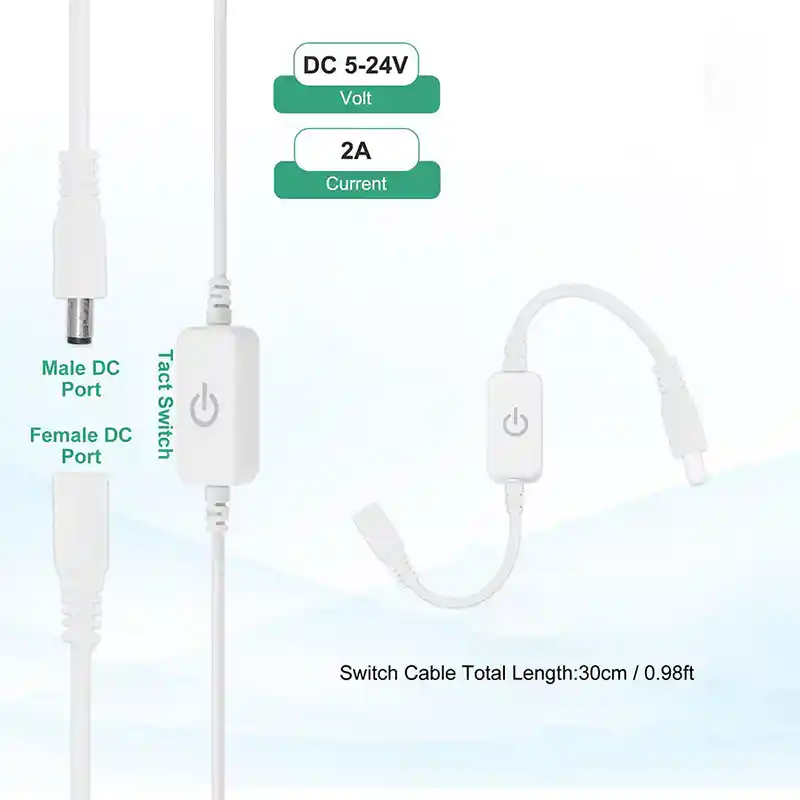
| Control | Capacitive touch pad, no moving parts |
| Output | Single-channel PWM; level held through a power cycle |
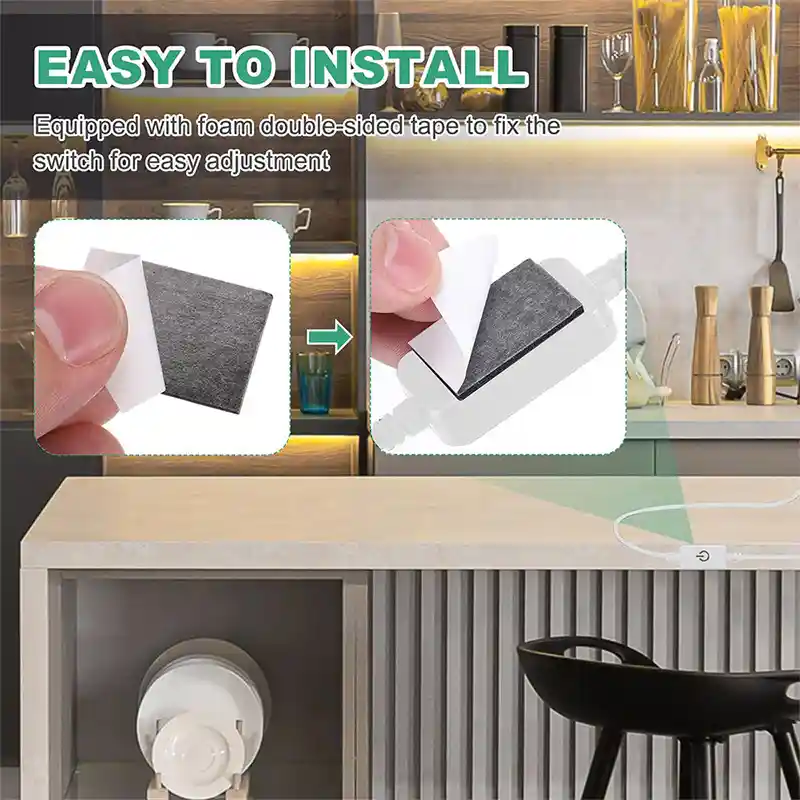
| Mounting | Surface or recessed behind a thin non-conductive facing |
| Termination | Pigtail or screw terminal to order |
Best For — Which Projects This Fits
Guest rooms and bedside details. One surface, no remote to lose between guests, nothing to explain at check-in — and on a two-hundred-room job the maintenance argument is decisive: a pad with no moving part is one fewer item on the annual replacement list.
Millwork with a designed control position. Where the drawing already shows where the user reaches — a plinth return, a drawer face, the underside of a wall unit — the pad goes there and stays visible, as in our millwork projects.
Details finished in acrylic, veneer or glass. The pad reads through a thin non-conductive facing, so the control can sit behind the finish rather than interrupt it. The facing material and its thickness decide whether this works, so tell us both.
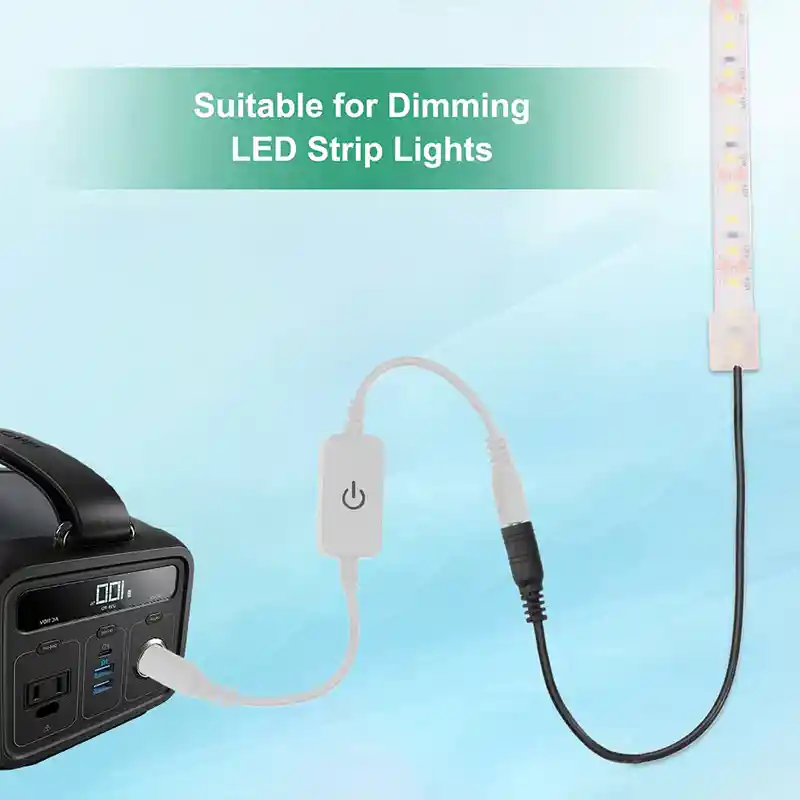
Stocked dimmable kits. Sold with our dimmable strip range where the buyer wants a fitted control rather than a loose remote — a regular line in wholesale supply orders.
Not For — When to Ask Us for a Different SKU
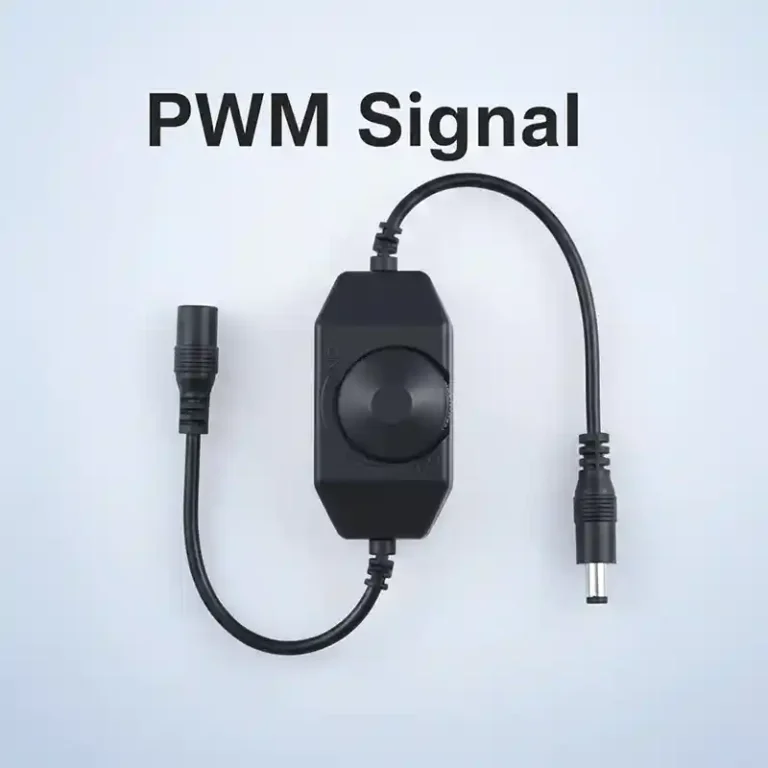
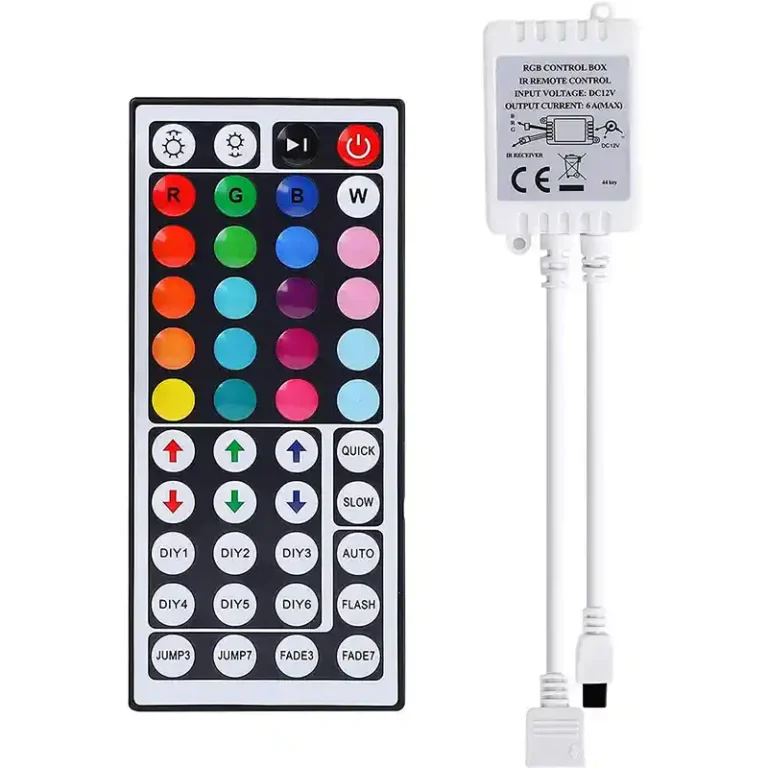
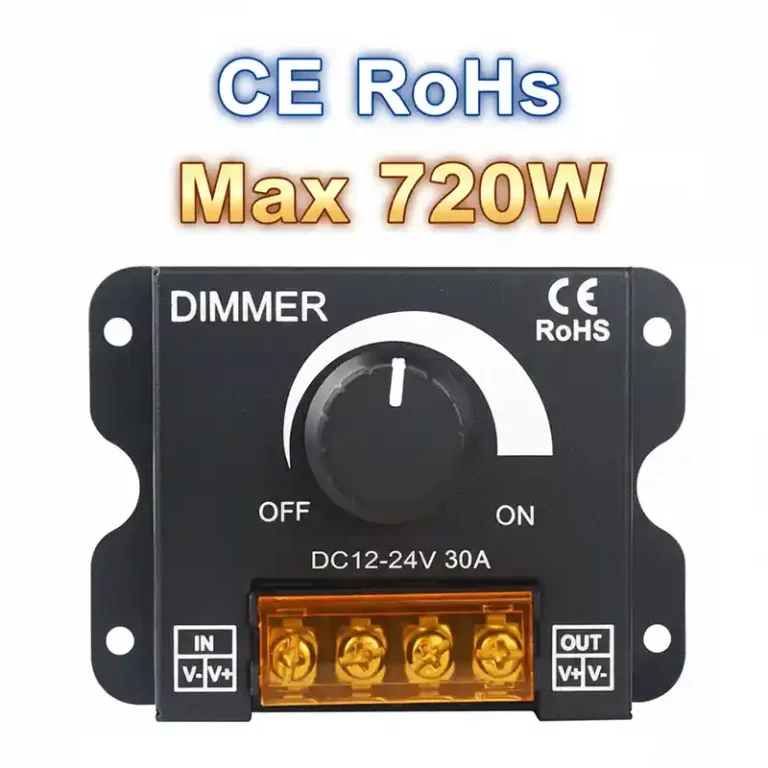
Both disqualifiers here are about the pad, not the load. It has to stay reachable and un-covered: behind a metal fascia, under a stone worktop, or with stock parked against it, capacitive sensing will not read at all — that is an inline dimmer’s job, or an RF one. And a pad is a local control, so a room set from the door, or a floor run from one position, needs an RF handset instead. On load, watts per metre decides this, not metres: high-density COB reaches the unit’s rating in a few metres where low-output tape runs several times further, so send us the figure and we will confirm the rating or point you at a higher-current channel. There is one output channel and one duty cycle, which leaves out anything carrying a separate white or a data line. Housing is dry-indoor.
Customization & Inquiry
Faceplate branding and finish are ours to set: overlay colours can be matched to an FF&E schedule, and pigtail or terminal versions are built to order, with strip and driver packed alongside as one kit.
What to send us in your enquiry:
- What the pad sits behind and how thick it is — ask this first, because the wrong facing stops the control working at all.
- Watts per metre and metres per zone, so we can confirm the current rating.
- Surface-mounted or recessed, and the finish it has to match.
- Whether anyone but the installer has to reach it — if levels are set from across the room, this is the wrong format and we will say so.
Talk to Our Sales Engineer — send the detail drawing and the facing spec, and we will confirm the rating and faceplate build.