Product Overview
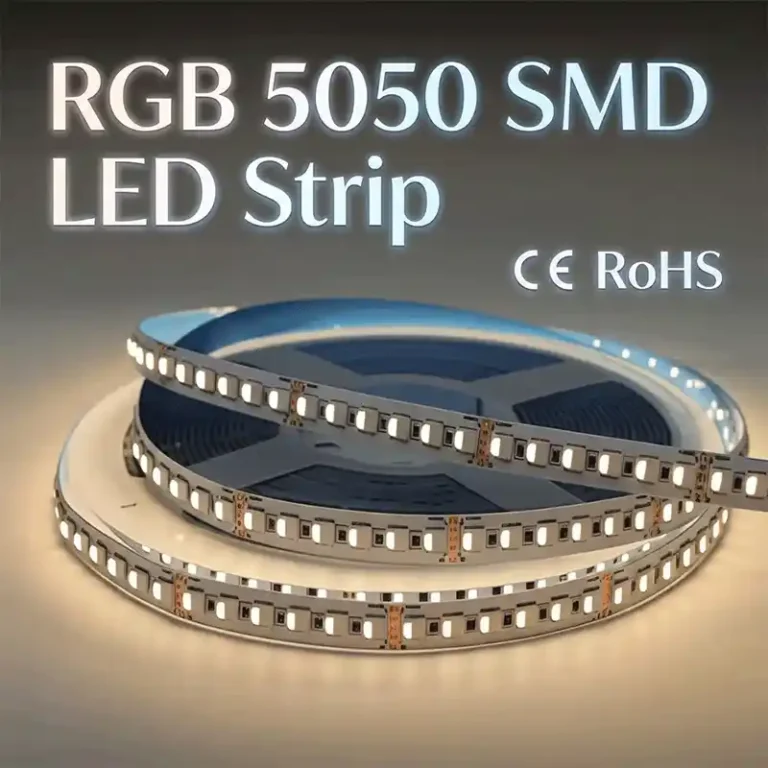
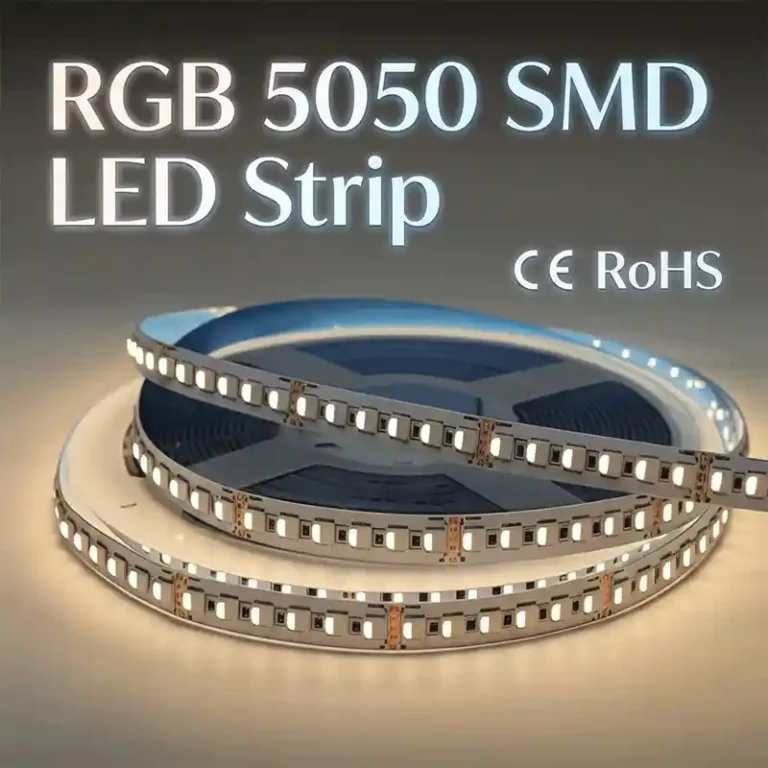
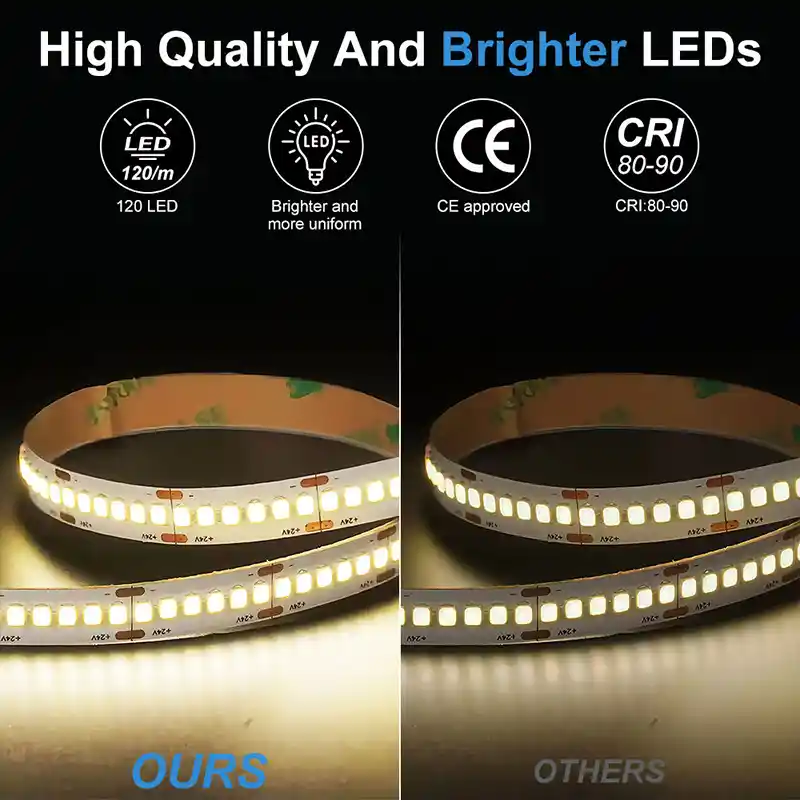
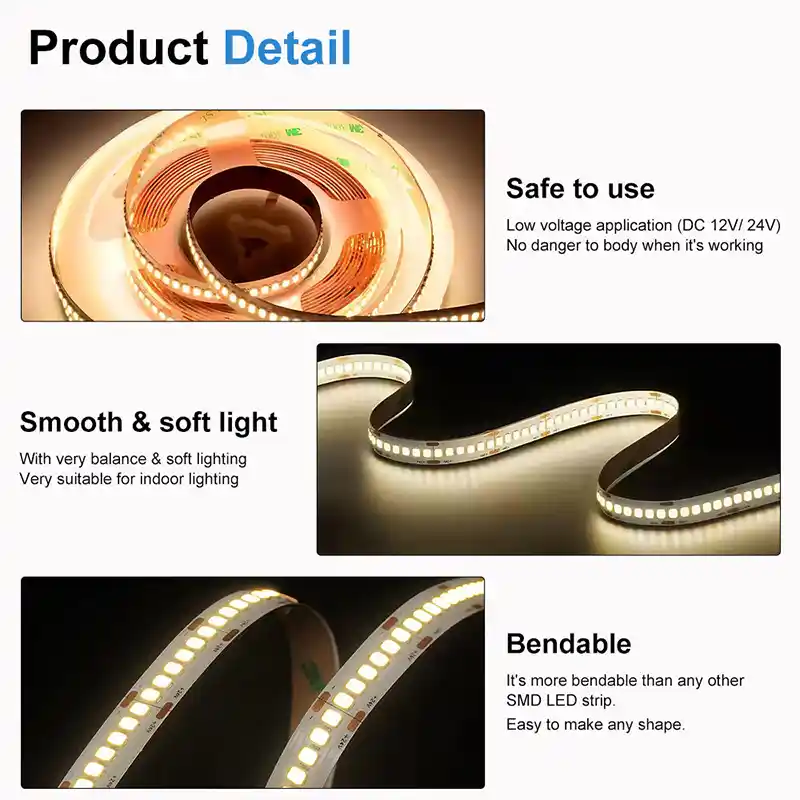
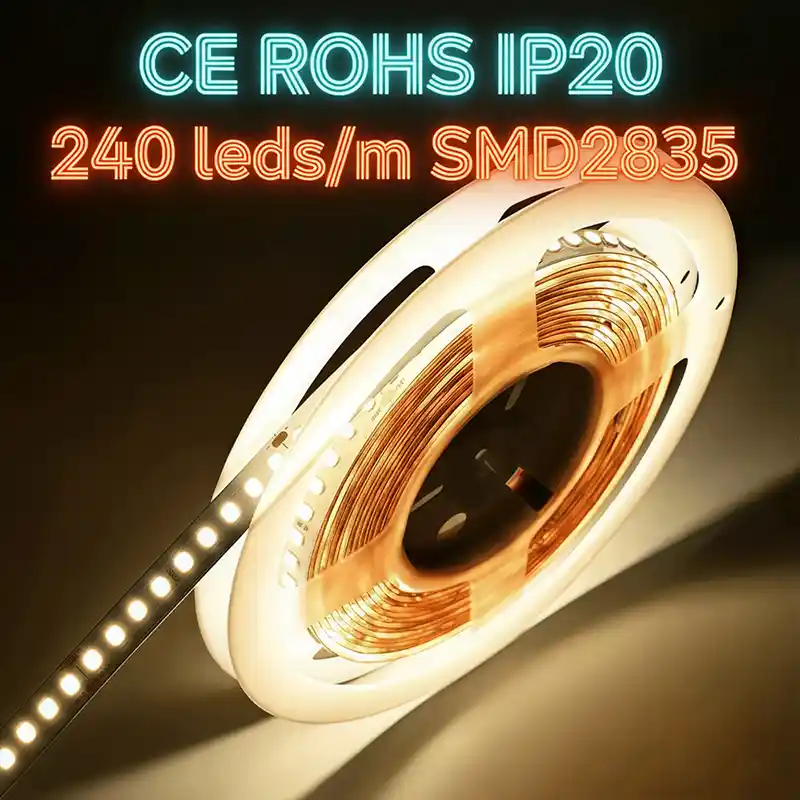
At 240 emitters per metre the ES-2835-240-10MM is the output ceiling of the 2835 platform, and it pays to be precise about what that density buys. It buys light — enough to hold a working level where the 120 build measures under-lit behind a diffuser. It does not buy a dotless line: the pitch shrinks, but the emitters stay discrete and still resolve close up. Density and uniformity are related without being the same purchase, and treating them as one means carrying the current of a dense board for a result it cannot give. Part of Senfey’s SMD LED strip range.
Best For — Which Projects This Fits
- Hotel corridors, office circulation and retail aisles carrying an illuminance target, where the strip is the working light.
- Commercial ceilings where the 120 build measures below target once the opal diffuser has taken its share.
- Schemes tied to an SMD platform by standard or approved submittal that still have a lux figure to meet.
- Runs where 24V is effectively mandatory: at this draw a 12V board loses its tail early — our 12V and 24V LED strip guide shows the limit.
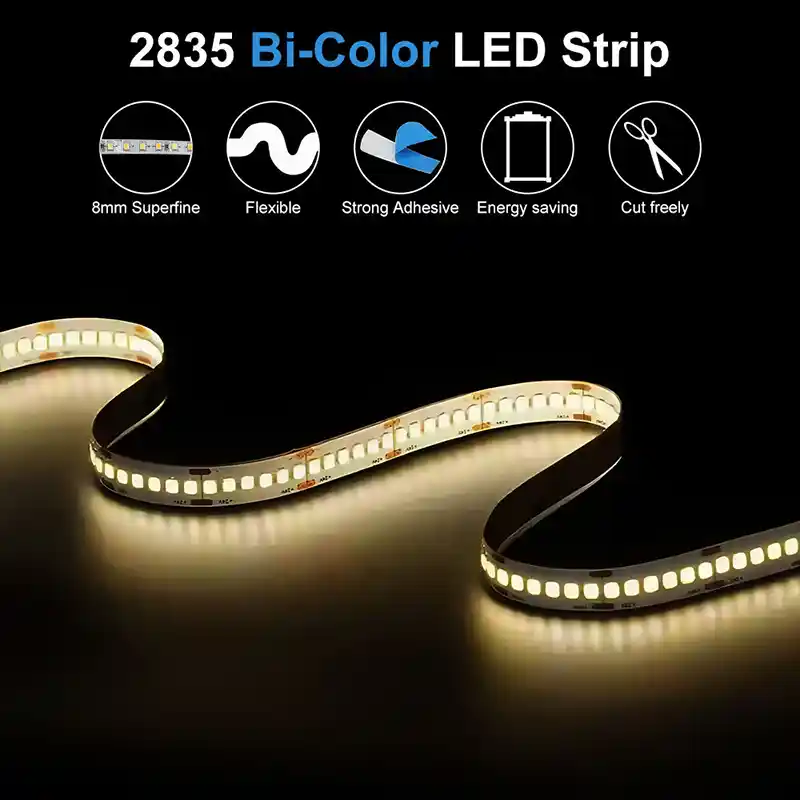
- Profiles cut for a 10 mm board, not the 8 mm channels the lower densities use.
Not For — When to Ask Us for a Different SKU
Three things rule this SKU out. Direct view is the first: tighter dots are still dots, and a naked cove or a close-viewed joinery lip will show them — those positions want a dotless COB build, which we can quote into the same profile. The board is the second: at 10 mm it is wider than the 60 and 120 builds, so joinery grooved for those will not take it without re-cutting. Check the section before ordering, not on site. Third, brightness has a ceiling here too — above what this density reaches, the answer is a second run rather than a denser 2835, and our lumens per foot guide is the basis for working that through. IP20 also confines it to dry interiors, and one fixed colour rules out RGB and tunable white.
Customization & Inquiry
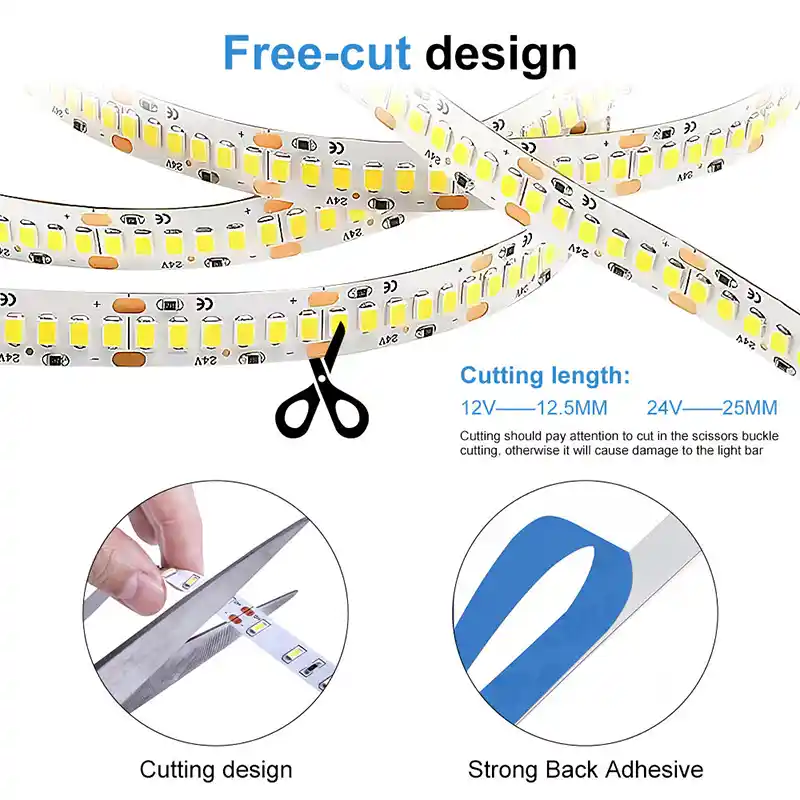
This SKU is bought against a number on a drawing rather than a look, and the strip is only part of that number: a deep channel and a dense opal diffuser absorb a real share of what leaves the board, so a design calculated from bare-strip figures does not land where the arithmetic says. We work those losses through against your actual profile and say plainly if the density cannot reach target. On the build we set CCT and bin against your reference and hold both across the order, cut to schedule, and pre-solder leads. To quote, send us: (1) the design level and where it is measured, (2) total metres and the longest unbroken run, (3) the CCT and any tolerance you must hold, and (4) the profile and diffuser reference. Request a Project Quote.