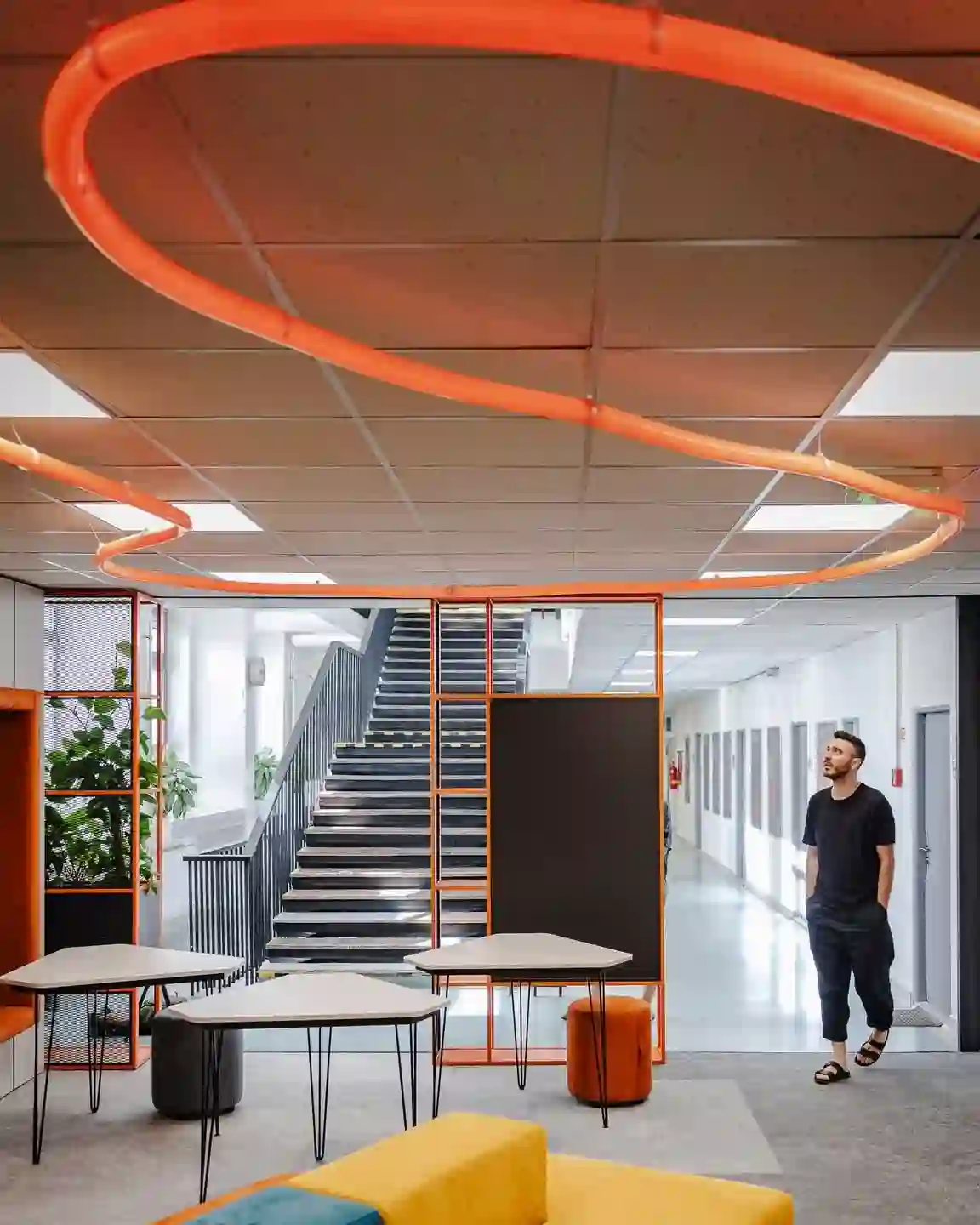
The Sample Wall That Decided the Spec
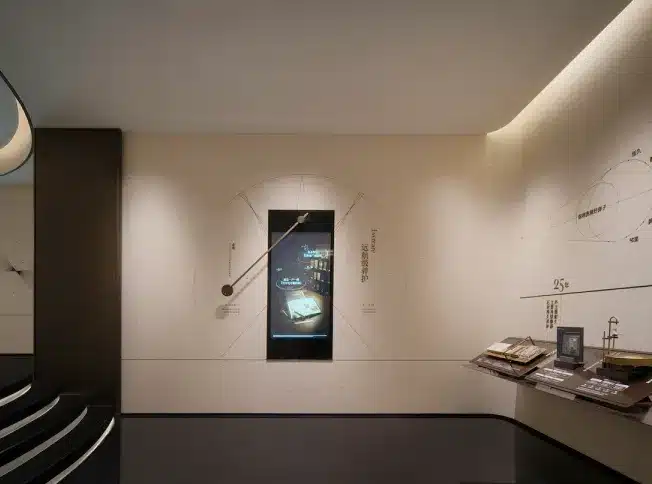
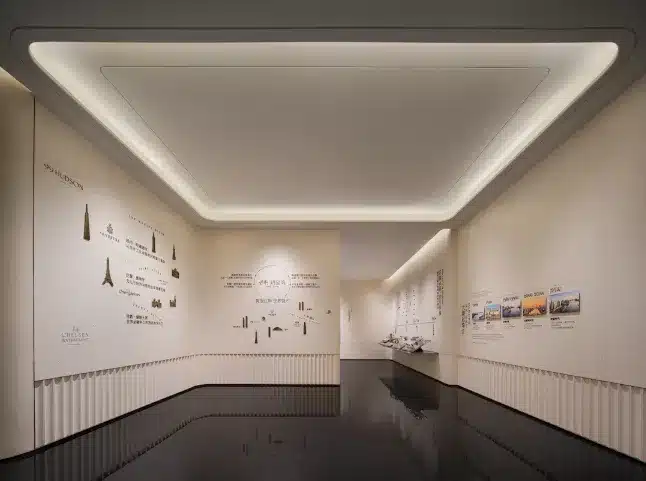
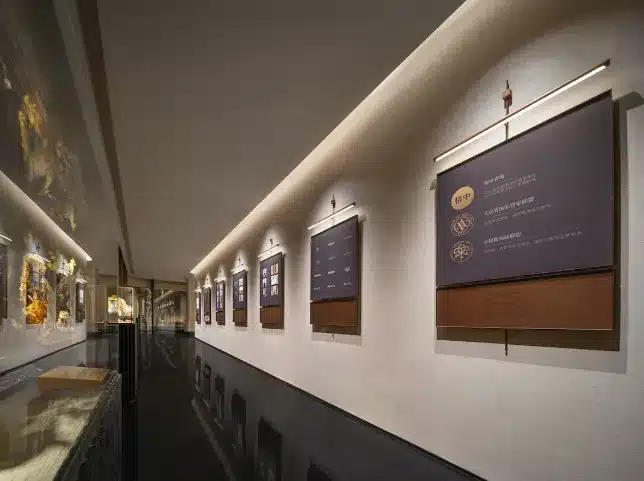
This high cri cob led strip gallery lighting project was decided on a 2 m × 2 m sample wall built inside the room three weeks before opening. The venue is a mid-size municipal gallery in Bologna, Italy — a converted 19th-century civic hall, roughly 480 m² across four rooms, previously lit by tired track spots and CRI 80 tape in the cornices. The curator would not sign an order until the sample passed three acceptance tests she wrote herself, and she supplied the artwork.
Her brief asked for one high-CRI COB LED strip platform at 3000K on a dimmable line, with CRI 95 as a stretch goal — which is where the real conversation happened.
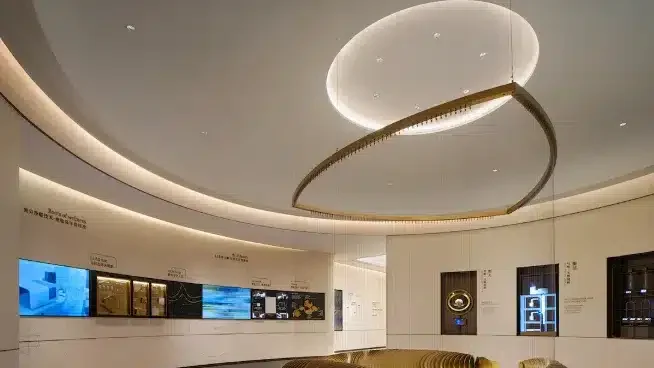
The Three Tests She Wrote Herself
Test 1 — Color Fidelity on Oil-on-Canvas
Four calibration cards and a 19th-century oil study from the permanent collection, viewed at 50% dimmed. Failure criterion: any visible shift in the warm reds or deep umbers.
One correction to her method first. The plan compared the strip against a daylight reference lamp from the conservation department, which cannot work: color rendering is only meaningful against a reference illuminant at the same color temperature, and a daylight reference fails any warm strip on CCT alone. Swapped for a 3000K reference, the CRI 80 tape failed visibly — desaturated reds, a green cast on skin — while the CRI 90 COB held both, per the framework maintained by CIE.
Test 2 — What the Light Does Over Weeks
The second test was about cumulative damage, framed in the brief as a UV question. UV is the easy part: a white LED is a blue die at roughly 450 nm under phosphor, so there is almost no UV — equally true of SMD, because COB is a packaging format, not a different emission mechanism. Anyone selling COB as the low-UV option is selling what comes free with any white LED. The harder part is that visible light fades pigment and paper too, and damage accumulates as illuminance times hours, so for a loan sitting for weeks the controlling number is a lux-hour budget — which is why Test 3 mattered more than the spectrum. Illuminance targets came from IES exhibit guidance; direct-view safety on the grazing beams was checked against IEC 62471, where blue light governs.
Test 3 — The Dimming Curve at the Low End
The grazing line had to reach 8% output for the second exhibition’s archival prints, without visible steps. It dimmed smoothly to about 5%, judged from the furthest sight-line.
Credit where it belongs: low-end smoothness is a property of the driver and its dimming method, not the strip. We did not supply the drivers — our power-supply line is DC12V adapters, wrong shelf for a 24V gallery load — so we specified them and the contractor bought them. Nor is there a DMX backbone: our controllers are RF and IR, so each zone holds its own dimmer rather than one cue list, and the RGBW and RGBCW zones needed color and white on separate controllers, since we stock no four- or five-channel decoder.
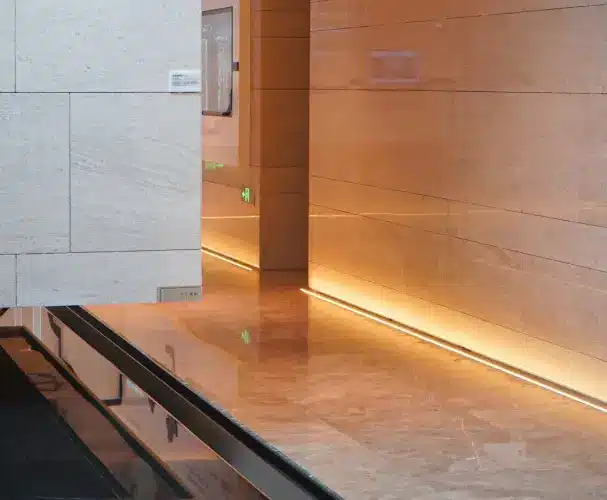
Why a Bigger CRI Number Was the Wrong Goal
The CRI 95 stretch goal did not happen: our COB range tops out at CRI 90, so there was nothing to ship, and we said so rather than promise a future release.
It was also the wrong target. General CRI, Ra, averages the first eight test samples and excludes R9, the saturated deep red — precisely where the umbers and warm reds of an oil underpainting live. Two strips can both read Ra 90 and render that red very differently, which is why her sample wall caught what a datasheet would not. TM-30’s fidelity index Rf covers a far larger sample set including deep reds, so our advice: ask for R9 and Rf at your CCT and view a sample, not one more point of Ra.
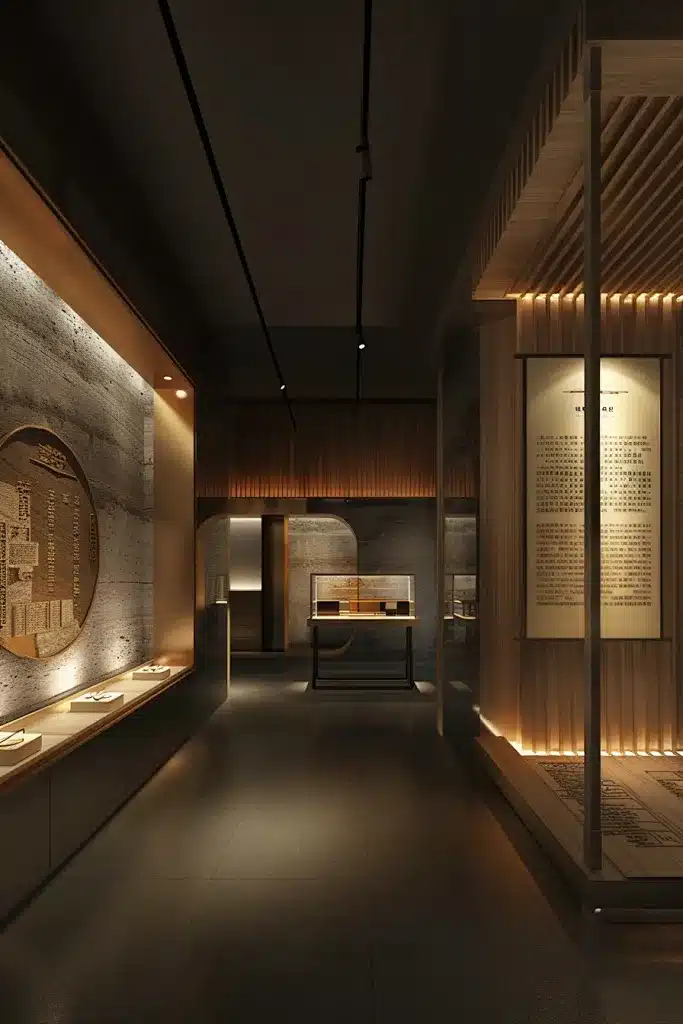
Products That Passed the Wall
Approx. 210 meters across four rooms and the corridor, CRI 80 references confined to zones no artwork hangs in.
| Zone | Model | Spec | Approx. Length | Why this SKU |
|---|---|---|---|---|
| Artwork walls, top-of-wall grazing line | the 480 LEDs/m 8mm reference | COB · 480 LEDs/m · 8 mm · 12V/24V · IP20 · CRI 90 · 3000K | Approx. 145 m | Passed Test 1 against the oil study; dotless emission is what a grazing beam needs. |
| Entrance foyer accent (no artwork) | the RGBW reference | SMD 5050 RGBW · 120 LEDs/m · 12 mm · 24V · IP20 · CRI 80 | Approx. 35 m | A real white emitter alongside the color channels, but CRI 80 — foyer only. |
| Circulation corridor, tunable white | ES-5050-96-24V-RGBCW | SMD 5050 RGBCW · 96 LEDs/m · 12 mm · 24V · IP20 · CRI 80 | Approx. 30 m | Warm-to-cool white for a transit route; nothing hangs there. |
| Accessories | 24V constant-voltage drivers, contractor-supplied · aluminum profile with deep anti-glare baffle · frosted PC diffuser · RF single-color dimmers per artwork zone, separate color and white controllers on foyer and corridor | |||
The curator’s rule is worth repeating: no SKU shared between a loan wall and a scene zone. CCT and bin selection followed the warm-white and tunable-white guidance, every 3000K run on a single PO, IP20 throughout.
What a Curator Should Insist On
- Build the sample wall before the PO, with your own artwork on it. A datasheet number is not a viewing.
- Match the reference source to your CCT. A 3000K strip against a daylight lamp tests nothing but CCT.
- Ask for R9 and TM-30 Rf, not a higher Ra. Ra excludes the deep red oil underpainting depends on.
- Budget lux-hours, not just UV. Visible light fades pigment too, and loans sit there for weeks.
- Ask who supplies the driver. Low-end dimming smoothness is the driver’s job, not the strip’s.
Planning similar high cri cob led strip gallery lighting? Send us your room drawings and acceptance-test list and we’ll draft a matched schedule marking which zones must stay off CRI 80.
About Senfey
Senfey is a Chinese LED strip manufacturer founded in 2010, running a Shenzhen factory of roughly 12,000 m² with monthly output above 250,000 meters. Our catalog covers COB, SMD, LED Neon Flex, addressable strips, controllers and power supplies. Browse Senfey’s COB LED strip catalog for CRI 90 references.
Related Visuals